 Impact
 Blog
Blog Store Locator
 Subscription
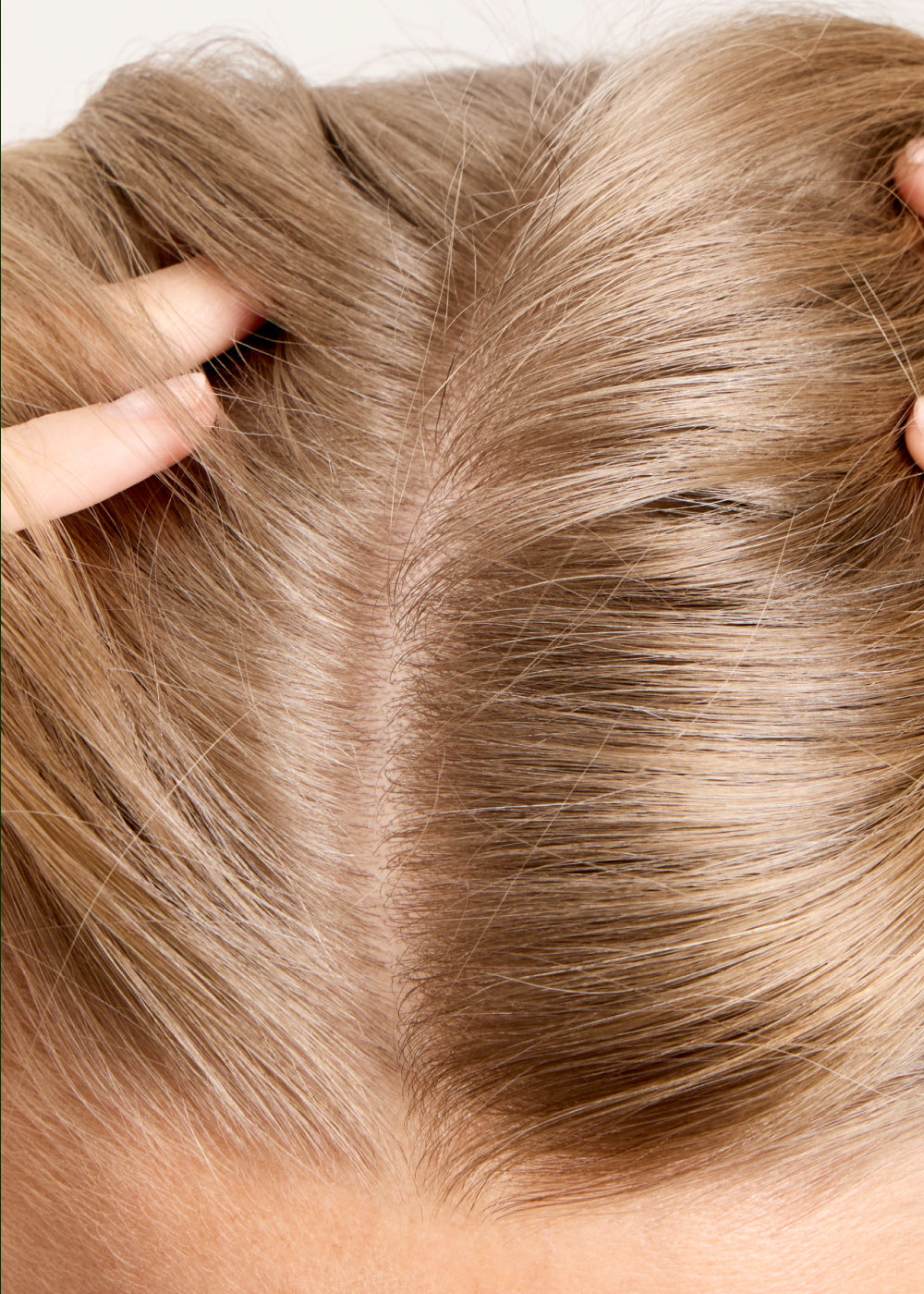
Scalp health and hair growth are directly connected. When the scalp environment is compromised - inflamed, imbalanced, or irritated - the follicles embedded in that tissue can't function optimally. The research supports this: addressing scalp conditions often improves hair outcomes, sometimes dramatically.
Most hair care focuses on the strand itself. Conditioning treatments, protein masks, heat protection. All useful, but if the environment where your hair grows is unhealthy, you're working against yourself.
This guide covers what the research shows about the scalp-hair connection, which ingredients matter, and how to build a routine that addresses both.
What happens at the scalp determines what happens to your hair
Your hair follicles sit in the dermis, fed by blood vessels, surrounded by oil-producing sebaceous glands, affected by local immune activity. When scalp conditions go wrong, follicles feel it first.
Inflammation disrupts follicle cycling. Hair grows in phases. The growth phase (anagen) can last two to seven years. Chronic low-grade inflammation - from irritation, dryness, product buildup, or fungal overgrowth - can shorten this phase. Hair enters the resting phase earlier than it should, then sheds. More hair in your drain. Strands that never reach their full length potential.
A 2018 review in the International Journal of Trichology examined how scalp condition impacts hair growth and retention. The research found that oxidative stress plays an important role in premature hair loss, with free radicals damaging follicle cells before hair even emerges from the scalp. Environmental factors like air pollution, UV radiation from sun exposure, and even smoking contribute to this oxidative load. The scalp, like facial skin, accumulates environmental stress over time.
Microbiome imbalance affects follicle health. Your scalp hosts a complex ecosystem of microorganisms. In balance, this community protects against harmful microbes and supports skin cell turnover. Out of balance, problems start.
Seborrheic dermatitis is the classic example. Overgrowth of Malassezia yeast - which feeds on the natural oil produced by sebaceous glands - triggers inflammatory byproducts that irritate scalp skin. Flaking. Itching. Redness that you might not even see under your hair. But the inflammation doesn't stop at discomfort. It affects the follicles sitting in that inflamed tissue.
Research from the National Institutes of Health has shown connections between scalp microbiome composition and hair quality. The 2025-2026 trend toward microbiome-friendly hair care reflects this understanding.
Barrier damage leads to moisture loss and sensitivity. Your scalp has a barrier function, just like facial skin. When compromised by harsh cleansers, environmental damage, or certain skin conditions, moisture escapes and irritants get in. The scalp becomes sensitized. Inflammation follows.
The "skinification" trend in hair care makes sense here. Treating your scalp with the same ingredient attention you'd give your face. Barrier-supporting ingredients. Anti-inflammatory actives. Gentle cleansing that doesn't strip.
Signs your scalp might be affecting your hair: Visible flaking. Persistent itching. Scalp tightness or tenderness. Redness at the part line. And critically - increased shedding where the fallen hairs have a white bulb at the end (indicating they released from the follicle, not broke along the shaft). If you're seeing these alongside thinning hair, the connection is worth investigating.
Why anti-inflammatory ingredients matter for scalp and hair
Inflammation is the common thread connecting most scalp conditions to hair problems. Traditional approaches treat symptoms - flakes get addressed with zinc pyrithione, itch gets soothed with menthol. Better approaches address underlying inflammation.
A 2024 study published in Scientific Reports examined a combined rosemary and neem extract for scalp health and hair growth. Worth looking at closely.
The combined extract demonstrated superior antifungal activity against Malassezia furfur - the primary cause of dandruff - compared to ketoconazole, the conventional antifungal in most medicated shampoos. It also outperformed ketoconazole against Trichophyton rubrum, associated with other scalp disorders.
Beyond antifungal activity, the rosemary-neem combination showed potent anti-inflammatory effects. The researchers measured suppression of iNOS expression - a marker of inflammatory activity - and found concentration-dependent reduction. Inflammation is the bridge between scalp problems and hair problems. Address inflammation, address both.
The study also evaluated hair growth. The formulation showed improvements in hair parameters, with the research noting results that compared favorably to minoxidil - the conventional hair loss treatment.
Rosemary and neem work synergistically. Both have documented anti-inflammatory properties from phenolic phytoconstituents (rosmarinic acid in rosemary, nimbidin in neem). But the combination proved more effective than either alone.
Source: Hashem MM, et al. "Rosemary and neem: an insight into their combined anti-dandruff and anti-hair loss efficacy." Scientific Reports. 2024;14:7780.
For product selection: neem addresses scalp-level inflammation and microbial imbalance. Rosemary supports follicle-level circulation and growth. Products containing both - or used in rotation - cover both levels of the scalp-hair connection.
What to look for in an anti-inflammatory shampoo
Not all "scalp care" products actually address inflammation. Some mask symptoms. Some strip the scalp and make things worse. Ingredient literacy matters.
Neem seed oil has documented antifungal properties against Malassezia and antibacterial activity against other scalp pathogens. The active compound nimbidin provides anti-inflammatory effects. Neem has been used in Ayurvedic medicine for scalp conditions for centuries - the modern research validates why it works.
Rosemary extract contains carnosic acid and rosmarinic acid, both potent anti-inflammatory phenolics. Beyond reducing inflammation, rosemary increases blood flow to the scalp. Better circulation means better nutrient delivery to follicles. A 2015 study in SKINmed compared rosemary oil to minoxidil 2% for treating androgenetic alopecia. After six months, both groups showed similar hair count increases. The rosemary group reported less scalp irritation.
Colloidal oatmeal is an FDA-recognized skin protectant. It contains avenanthramides - anti-inflammatory compounds that calm reactive skin. For scalp care, oatmeal supports barrier function through its emollient properties while cleansing gently without disrupting pH. It's particularly useful for sensitive or reactive scalps.
Karanja oil is neem's botanical cousin with similar anti-inflammatory properties. It contains pongamol, a flavonoid with natural UV-protective activity - relevant given that sun exposure contributes to scalp oxidative stress. Traditionally used for skin conditions including scalp psoriasis and eczema.
What to avoid: Harsh sulfates strip the scalp barrier. Heavy silicones cause buildup and can clog follicles over time. Strong fragrances are a common irritation trigger, especially for already-sensitized scalps.
Products that address both scalp and hair
Understanding the scalp-hair growth connection changes how you think about product selection. You need ingredients that work at the scalp level AND ingredients that support the follicle and hair shaft directly.
For scalp issues affecting hair health - dry, flaky, irritated scalp:
Ethique's SCALP HEALTH Solid Shampoo is formulated with oatmeal, karanja oil, and neem seed oil. Clinical testing shows it reduces dry scalp flaking by 1.5x when used as a system with Everyday Shine Conditioner. It calms inflammation and supports microbiome balance. The barrier-reinforcing properties come from colloidal oatmeal (yes, the same FDA-recognized ingredient used in sensitive skin care).

Start here if scalp symptoms are your primary concern. Flaking, itching, tightness, redness. Get the scalp environment right first.
For hair growth support - thin, brittle, breaking hair:
Ethique's STRENGTHENING Solid Shampoo contains rosemary extract, biotin, hydrolyzed quinoa, and peppermint oil. Clinical testing shows 3X stronger hair after just one use and 70% reduction in breakage. For volume, it delivers 3X immediate increase (205%) that holds - still 3X after eight hours.

This addresses the follicle directly. Rosemary stimulates circulation. Hydrolyzed quinoa - a complete protein with all nine essential amino acids - strengthens from within. The peppermint oil isn't just for scent; it increases blood flow to the scalp.
Using them together:
The rosemary-neem synergy from the research suggests value in getting both ingredients into your routine. Ethique's SCALP HEALTH delivers neem's scalp benefits. STRENGTHENING delivers rosemary's growth benefits. Options for combining them:
Alternate throughout the week. SCALP HEALTH twice for scalp maintenance, STRENGTHENING other days for growth support. This works well for ongoing management.
Use sequentially. Start with SCALP HEALTH during active scalp issues, transition to STRENGTHENING once the scalp is balanced. This works well if you're addressing a current problem.
Target based on current needs. SCALP HEALTH when scalp feels tight, flaky, or irritated. STRENGTHENING when hair feels weak or you're seeing breakage. Listen to what your scalp and hair are telling you.
Why the hair care industry is shifting to scalp-first
The 2025-2026 trend toward scalp-first haircare reflects accumulating research on the scalp-hair connection. Cosmetic science has caught up with what dermatologists have known: you can't out-condition a problematic scalp environment.
The old approach treated hair problems at the strand level. Damage? Add conditioner. Breakage? Add protein. This addresses symptoms, not causes.
The new approach starts at the scalp. Create conditions where follicles can function optimally - reduce inflammation, support the microbiome, get the barrier functioning properly. Then worry about the strand.
Think of it like soil for plants. You can spray nutrients on leaves, but if the soil is depleted, the plant struggles. Proper scalp care creates the foundation for healthy hair to grow.
The head spa trend reflects this shift. Scalp care as self-care ritual. Taking time to massage, treat, and support the scalp - not just rush through washing to get to conditioning.
For people dealing with thinning hair, this perspective matters. If you've been focused exclusively on strand treatments without considering scalp health, you might be missing a significant factor.
For guidance on distinguishing between different types of hair thinning - and whether scalp factors might be involved - see our guide to hair thinning vs hair loss vs breakage.
How to build a scalp care routine that supports hair growth
This doesn't need to be complicated. Practical, sustainable approaches work better than elaborate routines you'll abandon.
Wash frequency: Two to three times per week works for most scalp types. Over-washing strips barrier function, triggering increased oil production as the scalp compensates. Under-washing allows buildup that clogs follicles and feeds Malassezia overgrowth. If you have oily hair, you might need more frequent washing - just use gentle formulas. If your scalp runs dry, less frequent washing with hydrating products.
Scalp massage: Four minutes per session while shampooing. A 2016 study in Eplasty found that standardized scalp massage for 24 weeks increased hair thickness by approximately 10%. The mechanism involves mechanical stretching of cells at the base of follicles combined with increased blood flow. Use your fingertips, not fingernails. Gentle but firm pressure in small circular motions. Cover your entire scalp. No special device needed.
Product rotation: Alternate between scalp-focused and hair-focused products based on current needs. Some weeks your scalp needs more attention. Other weeks your hair does. Pay attention to signals.
**Monthly clarifying:** Product buildup accumulates even with gentle products. Styling residue, dry shampoo, environmental grime that settles on your scalp without you noticing. A monthly clarifying treatment - or use of a detox shampoo - clears follicles and resets the environment. Our CLARIFYING Solid Shampoo works well for this - 94% of users agree it removes excess oil and buildup.

Signs your scalp-first approach is working:
-
Less visible flaking
-
Reduced itching and tightness
-
Less hair in the drain (shedding stabilizes)
-
New growth appearing at the hairline
-
Hair feeling stronger, less breakage
Timeline: Scalp symptoms often improve within two to four weeks. Changes in hair growth and hair quality take three to six months - that's the hair growth cycle. Give it time.
When scalp issues need medical attention
Some scalp conditions require professional evaluation, not just better products.
Seborrheic dermatitis that doesn't respond to over-the-counter treatment may need prescription-strength antifungals. Persistent scaling and redness warrant a dermatologist visit.
Alopecia areata - patchy hair loss with smooth, round bald spots - is an autoimmune condition. Products won't address it. You need a dermatologist.
Central centrifugal cicatricial alopecia affects primarily Black women, starting at the crown and spreading outward. This scarring alopecia requires medical intervention to prevent permanent follicle loss.
Androgenetic alopecia - pattern hair loss - has a genetic component that scalp care alone won't override. Good scalp health supports any treatment approach, but if you're seeing progressive thinning in characteristic patterns (receding hairline, widening part, crown thinning), see a dermatologist for treatment options.
Rapid hair loss that comes on suddenly needs medical evaluation. Same with scalp pain or burning, sores or lesions. Don't wait on these.
The American Academy of Dermatology provides resources on when to seek care for hair and scalp concerns. Good scalp care is part of health education, but it's not a substitute for medical treatment when conditions require it.
Supporting scalp health from the inside
What you eat affects scalp environment, though not as dramatically as topical treatment.
Omega-3 fatty acids support skin barrier function throughout the body, including the scalp. Fatty fish, walnuts, flaxseed. Some research suggests omega-3s may have anti-inflammatory effects that benefit scalp conditions.
Vitamin C is an antioxidant that helps counter oxidative stress. It also supports collagen production in skin cells. You know where to find it - citrus and berries, mostly.
Zinc plays a role in skin health and immune function. Deficiency has been associated with hair loss in some studies. Oysters are the best source by far, but beef and pumpkin seeds work too.
Iron deficiency is a common cause of hair shedding, particularly in women. If you're experiencing unusual hair loss alongside fatigue, get your ferritin levels checked.
But perspective matters here. No supplement regimen will override a problematic scalp environment or compensate for harsh hair care practices. Diet supports scalp health; it doesn't replace proper scalp care.
Smoking and hair loss have documented connections - smoking increases oxidative stress and reduces blood flow to the scalp. If you smoke and are concerned about hair health, this is a factor worth considering.
Common questions about scalp health and hair growth
Can a healthy scalp actually help hair grow faster?
Hair growth rate is largely genetic - about half an inch per month for most people. A healthier scalp doesn't make hair grow faster in absolute terms. But it creates conditions where hair can reach its full growth potential without being cut short by inflammation, breakage, or early shedding. You retain more length over time, and the hair that grows is healthier.
How do I know if my scalp is affecting my hair growth?
Look at two things. First, scalp symptoms: flaking, itching, redness, tightness, tenderness. Second, the hair you're losing. If fallen hairs have a white bulb at the end, they released from the follicle - potentially due to scalp environment issues. If hair is snapping with no bulb, that's breakage along the hair shaft, a different problem. If you have both scalp symptoms AND increased shedding with bulbs visible, the connection is likely.
Should I use anti-dandruff shampoo for hair growth?
Traditional anti-dandruff shampoos (zinc pyrithione, selenium sulfide, ketoconazole) address fungal overgrowth effectively. But they can be harsh with long-term use, potentially disrupting scalp barrier function. For ongoing maintenance and the scalp-hair growth connection, anti-inflammatory ingredients like neem and rosemary address inflammation while being gentler on the scalp barrier. Use medicated shampoos for acute dandruff flares; transition to gentler anti-inflammatory formulas for maintenance.
Does hair type affect scalp care needs?
Somewhat. People with oily hair may need more frequent cleansing to prevent Malassezia overgrowth. People with dry or curly hair often produce less oil and can wash less frequently - their scalp barrier may need more protection. But the fundamental connection between scalp health and hair growth applies across hair types. Everyone benefits from reducing inflammation and supporting scalp environment.
How long until I see results from scalp-focused care?
Scalp symptoms often improve within two to four weeks of switching to appropriate products. Hair density and hair quality changes take three to six months minimum - that's the hair growth cycle timeline. New growth has to actually grow out before you see it.
Sources
1. Hashem MM, Attia D, Hashem YA, et al. Rosemary and neem: an insight into their combined anti-dandruff and anti-hair loss efficacy. Scientific Reports. 2024;14:7780. Link
2. Trüeb RM. Scalp condition impacts hair growth and retention via oxidative stress. International Journal of Trichology. 2018. Link
3. Koyama T, Kobayashi K, et al. Standardized Scalp Massage Results in Increased Hair Thickness. Eplasty. 2016;16:e8. Link
4. Panahi Y, Taghizadeh M, et al. Rosemary oil vs minoxidil 2% for androgenetic alopecia: a randomized comparative trial. SKINmed. 2015;13(1):15-21. Link
This article is for educational purposes and does not constitute medical advice. Consult a healthcare provider or dermatologist for concerns about hair loss or scalp conditions.